Machynys history
from Stephen Fisk’s website, Abandoned Communities
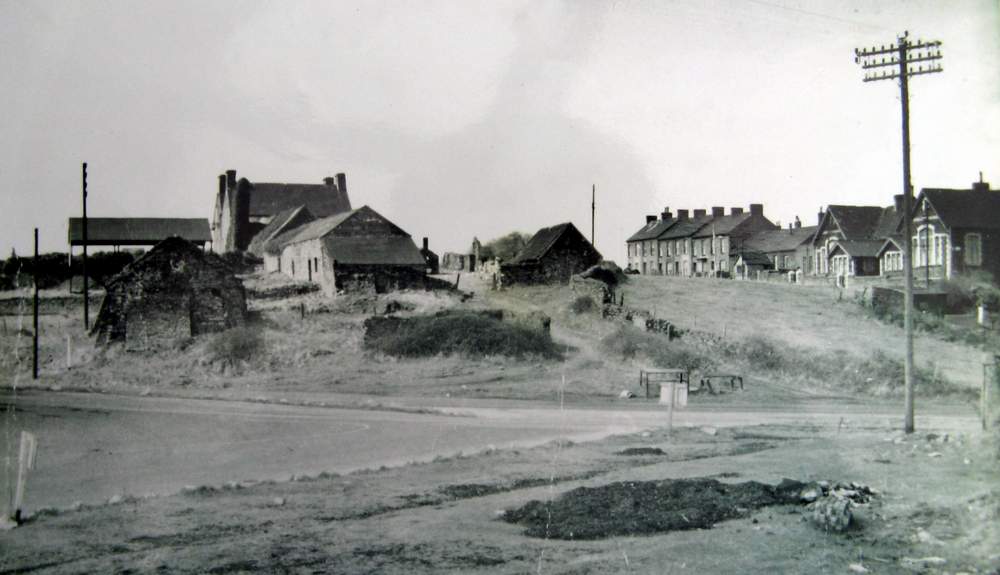
The Machynys peninsula lies south of the town of Llanelli, at the eastern end of Carmarthenshire. It is assumed that it was once an island, at least at high tide, “ynys” being the Welsh for island. Until the middle of the nineteenth century there was a farm on Machynys, and not much else, but then came an explosion in industrial production in the Llanelli area. Amidst the factories, brickworks, and chemical plants of the Machynys peninsula two small communities grew up. They remained in existence until their demolition around 1970.
The development of industry on the Machynys peninsula and elsewhere in the Llanelli area was made possible by an act of enclosure passed by Parliament in 1807. Rights of common were extinguished by the act, and the land was divided and sold to private owners. An embankment, or bulwark, was built around the peninsula to protect it from flooding by the sea.
The first significant industry on the peninsula was the production of bricks. At least three brick works were opened in the 1850s and 1860s, using clay from pits adjacent to the factories. The first group of houses, Brick Row, may have been built at this time.
At the same time, however, developments were taking place around Llanelli that would lead to the area gaining a foremost position in the manufacture of tinplate. Not far away, at Kidwelly, tinplate production had started in 1737. In Llanelli itself the Dafen works opened in 1848. Then in 1872 Morewood and Rogers began iron and tinplate manufacture on the Machynys peninsula in what later became known as the South Wales Works. Soon afterwards, in 1875, tinplate production started at the Burry Works, converted from the former Rosser’s Arsenic Works.
In the early 1870s wrought iron was still the main component of tinplate. Within a few years, however, improvements in the production of steel meant that tinplate factories were motivated to convert to the use of steel. The South Wales Works were one of the first to make the conversion, in 1878.
Two further tinplate works were opened at a later date on the Machynys peninsula. They were the Richard Thomas Mills, established in 1910, and the Burry Extension Works, opened in 1912 a short distance south west of the Burry Works. All four works underwent several changes of ownership. They enjoyed expansion and innovation during periods of high demand, but were compelled to reduce production and working hours when demand fell. In the 1880s, for example, Llanelli was responsible for about one eighth of the tinplate production of Great Britain. Much of its output was being exported to the USA, but the McKinley tariff of 1890, designed to protect the production of tinplate in the USA itself, led to a major slump in demand for British tinplate.
Wikipedia has a short history of tinplate manufacture at this address. An excellent account of Llanelli’s tinplate trade, as seen from a wide range of perspectives, can be found in John Edwards (ed.), Tinopolis, 2nd edition published by Llanelli Civic Society, 2008. Or for a comprehensive history of the tinplate and other industries in the Llanelli area go to R S Craig et al., The Industrial and Maritime History of Llanelli and Burry Port 1750 to 2000, Carmarthenshire County Council, 2002.
The first chapter in Tinopolis describes the various stages in the production of tinplate. It is well illustrated with photographs. After bars of steel had been rolled into sheets, teams of four men would heat the sheets (the furnaceman), insert them into the rolls (the rollerman), pass the sheets back to the rollerman (the behinder), and double them and place them in the squeezer (the doubler). The plates were then trimmed and passed through a number of chemical processes. Finally a thin layer of tin was applied and the surface polished.
Some of the jobs in the production line were done by women. These included separating plates that were sticking to each other, and the final polishing. Plates were usually separated with a piece of lead held in the palm, but if necessary a machete-like tool known as a hanger could be brought into use.
Women also tended to be in the majority in the checking department. They were required to look out for any of fifty odd possible faults that might give rise to “wasters”. Excessively thick edges, for example, were likely to be due to poor doubling, while any corners found folded over would be attributed to the tinman and his assistant.
Reminiscences of an individual tinplate worker appear in a chapter in Tinopolis by David Morris. David Morris describes the clothing worn by the workers, and the effects of the intense heat in which they operated. He also mentions the tiredness that would begin to set in during the night shift, but this was likely to be alleviated around 3.00 am when one team member would break into Calon Lan. Others would soon join in, and the team might finish off with a couple of Sankey and Moody songs.

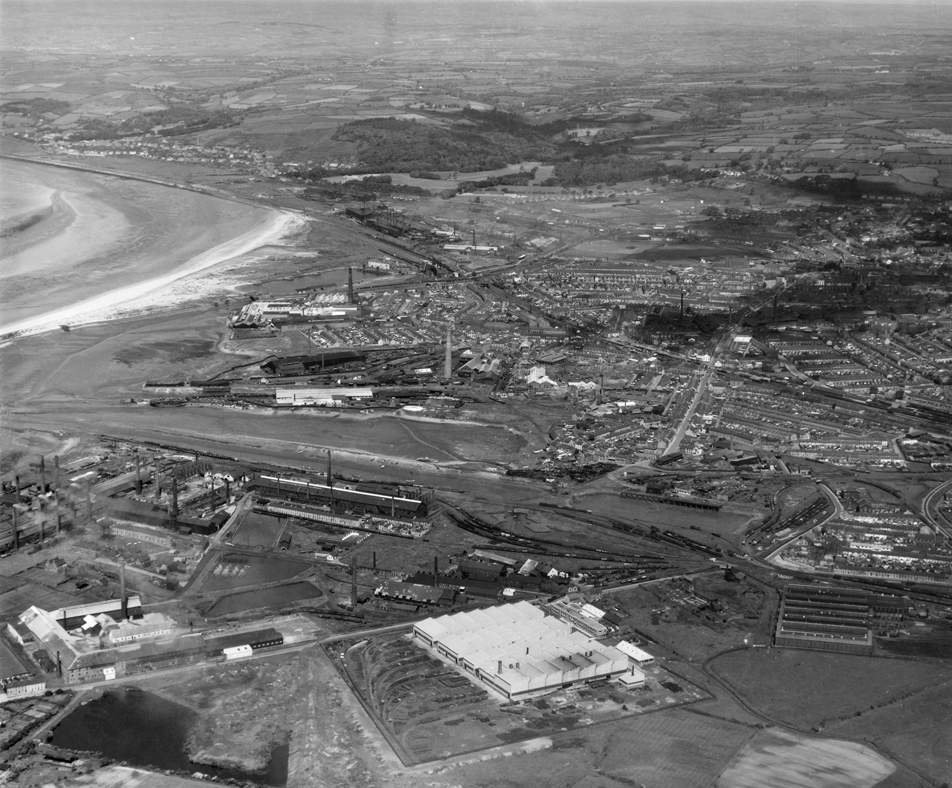
The northern part of the Machynys peninsula in the foreground, with the town of Llanelli and the hills of Carmarthenshire beyond it. The South Wales Works appears on the left about a third of the way up the photograph, with the Richard Thomas Mills to the right of it. The Burry Extension can be seen on the lower left, and the Burry Works to its right. The new building in the front is the Machynys Foundry.
This photograph, taken in 1953, has been supplied by the National Museum of Wales
Many of the workers at the steel and tinplate works of Machynys would have lived just outside the peninsula, often in New Dock Road to the north and adjoining streets. But from an early date staff housing was also constructed very close to the works. By 1897, when a Llanelli trade directory was published, the housing formed two distinct communities, one known as Machynys, the other called Bwlch-y-gwynt.
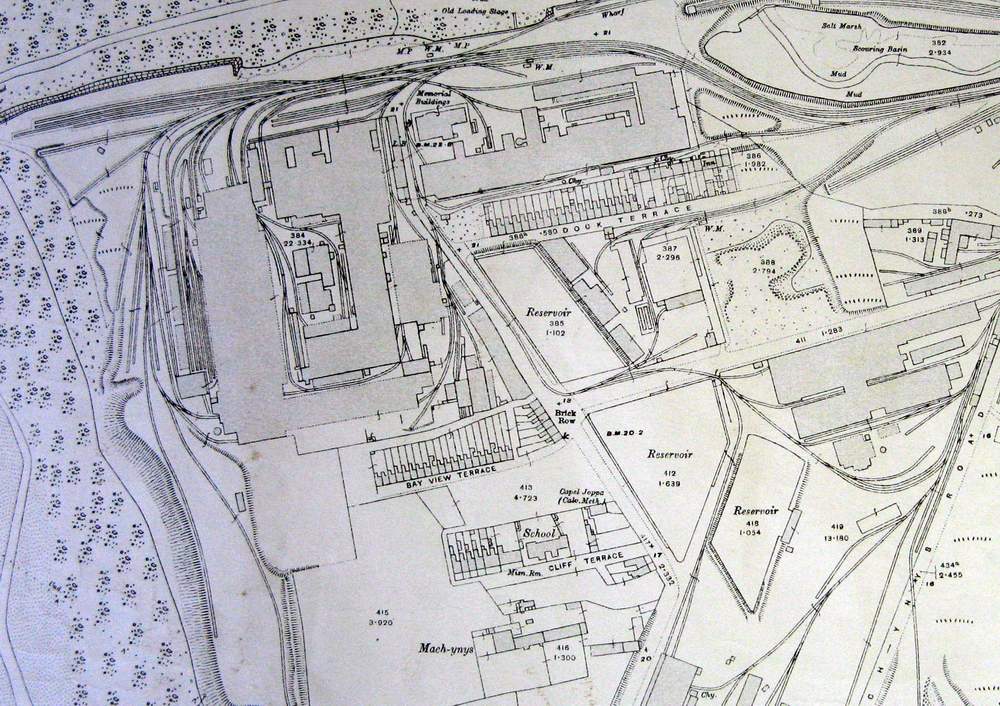
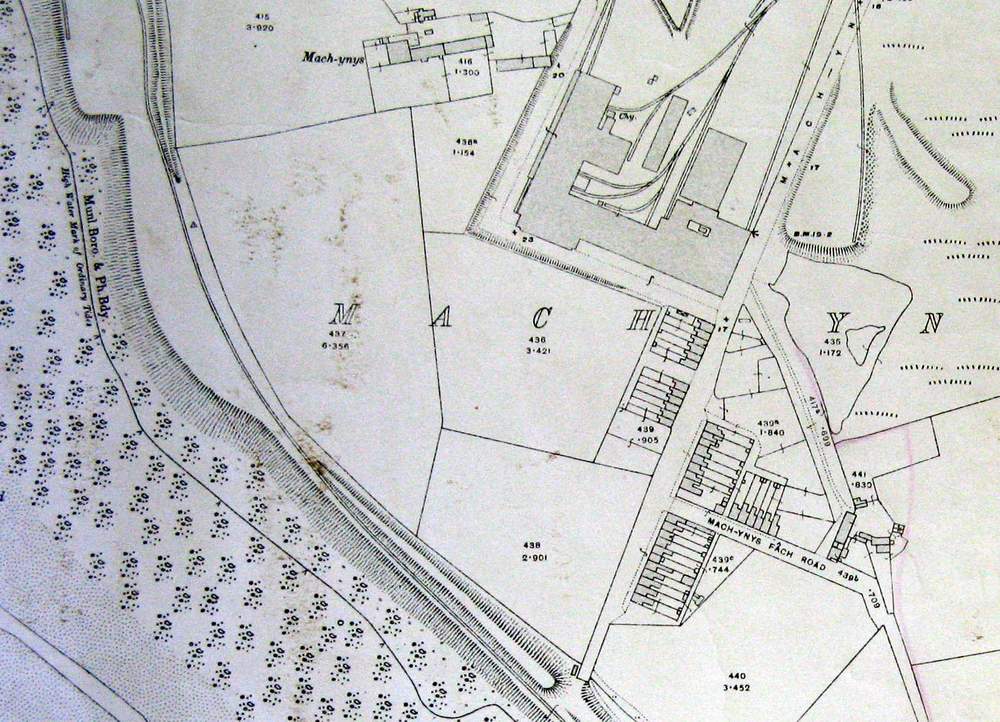
The community of Machynys lay to the east and south east of the South Wales Works. As you can see from the map above, Bay View Terrace, Brick Row, and Cliff Terrace lay between the South Wales Works and Machynys Farm, while Maliphant Row, also known as Dock Terrace, ran to the east of the Works. The 1897 trade directory gives the name of all the householders occupying these houses. In Maliphant Row, for example, Joseph Green, tinplater, lived at number 1 and William Prosser Thomas, rollerman, at number 5. In Bay View Terrace Mrs Charles, widow, lived at number 7 and Mary Lewis, tinplate opener, lived at number 15. In 1897 the residents of Maliphant Row would have had a clear view to the north from their back gardens, but in 1910 the Richard Thomas Mills were opened very close to their boundaries.
The 1897 Llanelli trade directory, published by James Davies & Co, can be seen in the Llanelli public library.
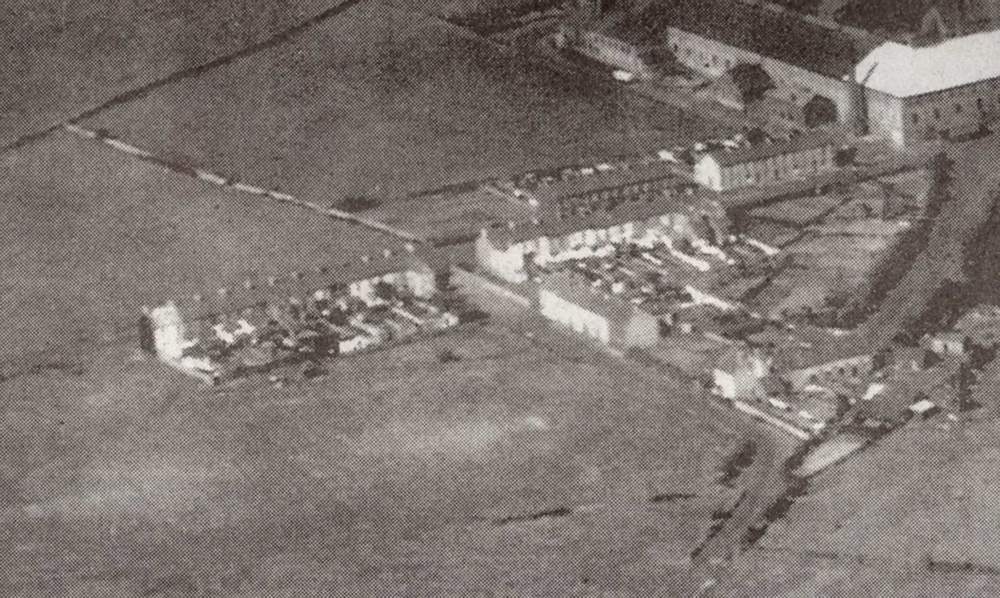
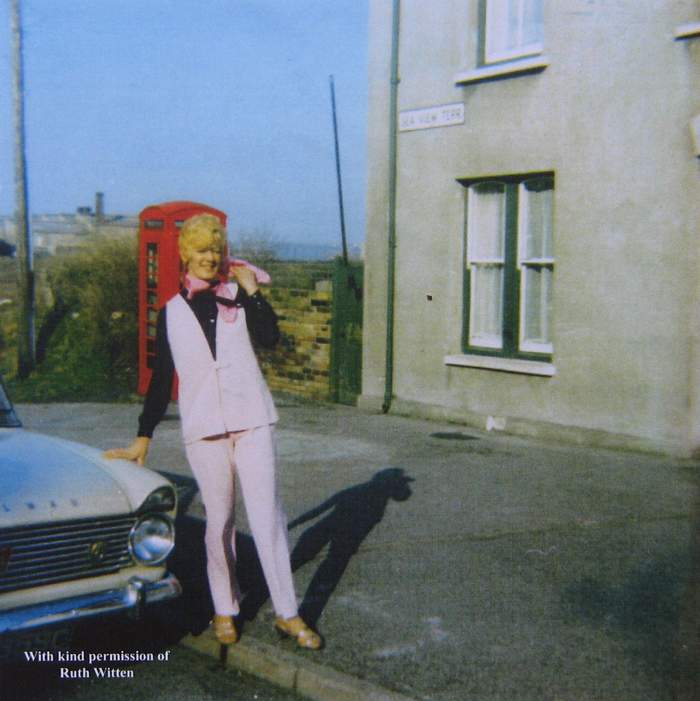
Bwlch-y-gwynt (the name means “Windy Gap”) lay close to the sea south of the Burry Extension Works. It has a single entry in the 1897 directory, with 22 households listed. By the date of the map below further houses had been added. Those on the east side of Machynys Road were known as Springfield Terrace (otherwise Wellfield Terrace), those on the west side were called Sea View Terrace. In addition there were half a dozen houses along Machynys Fach Road.
Machynys and Bwlch-y-gwynt were noisy places. Here are some of the sounds that could be heard if you stopped to listen to them:
- The whine of a gantry
- Railway trucks being coupled together
- The hooters of the steel and tinplate works
- Men and women walking to work and back
- Children singing
- Men talking loudly as they came home after pub closing time
- Bill fruit and veg coming round every Saturday morning
And if you lived near Machynys Farm:
- The lowing of cattle
- The crowing of cocks at daybreak
- The grunting of pigs
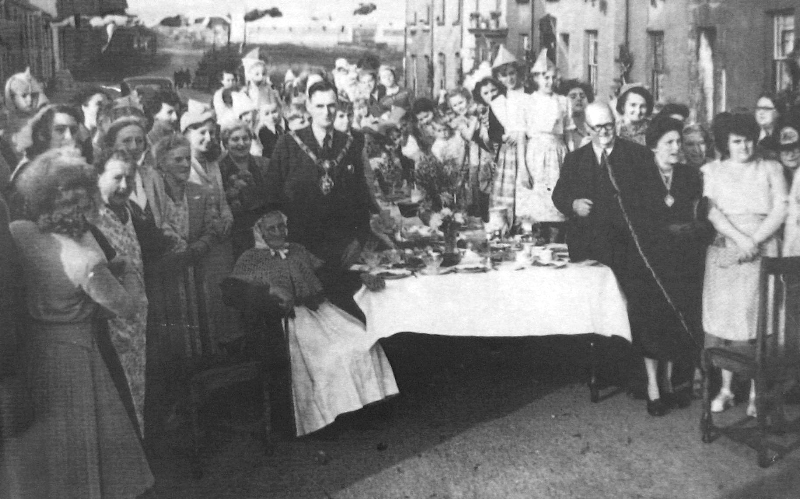
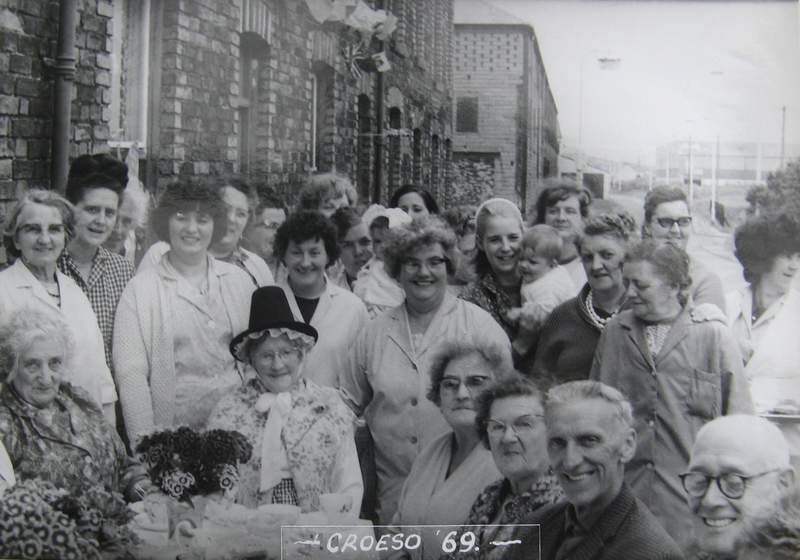
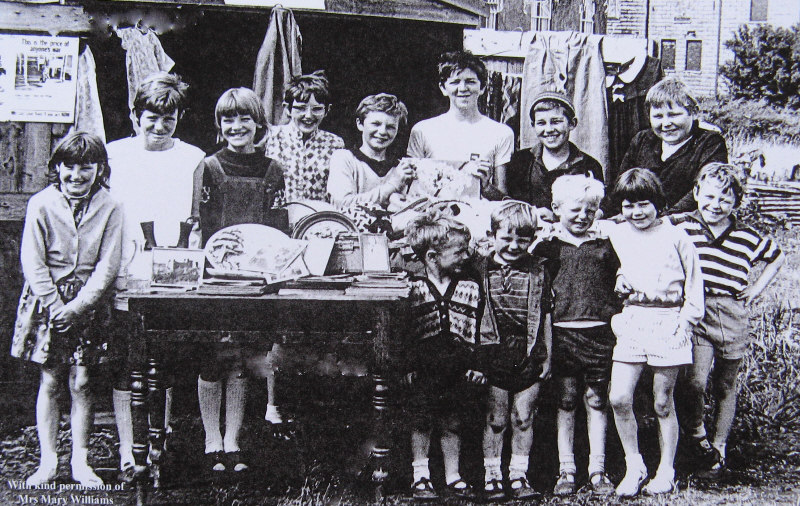
People who have memories of Machynys and Bwlch-y-gwynt emphasise the strength of the community spirit in both places. Eira McKibbin, in her slim volume Machynys – Yours Truly, describes the trust that existed. If you had to go out you could leave your door unlocked, with the payment for the rent man or the insurance man left on the hallstand. National events such as the investiture of the Prince of Wales in 1969 were occasions for a street party. Bus loads of people would travel to Mumbles, Aberafon, or Porthcawl for a day out together. Large groups would go by train for a holiday in Blackpool. People would readily join together to raise money for causes such as the humanitarian crisis in Biafra when that region attempted to secede from Nigeria.
Not many people had their own telephone. If you needed to ring someone in Bwlch-y-gwynt you rang the public telephone (Llanelli 2008) and could rely on someone answering who would then call the person you wanted.
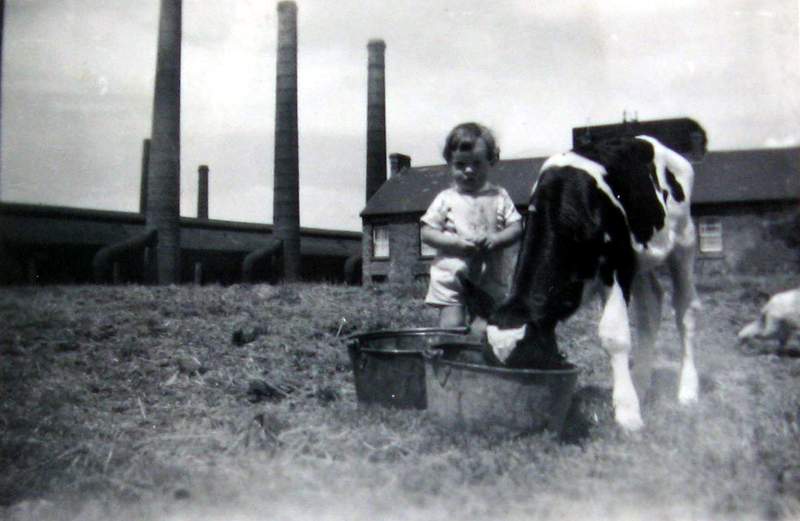
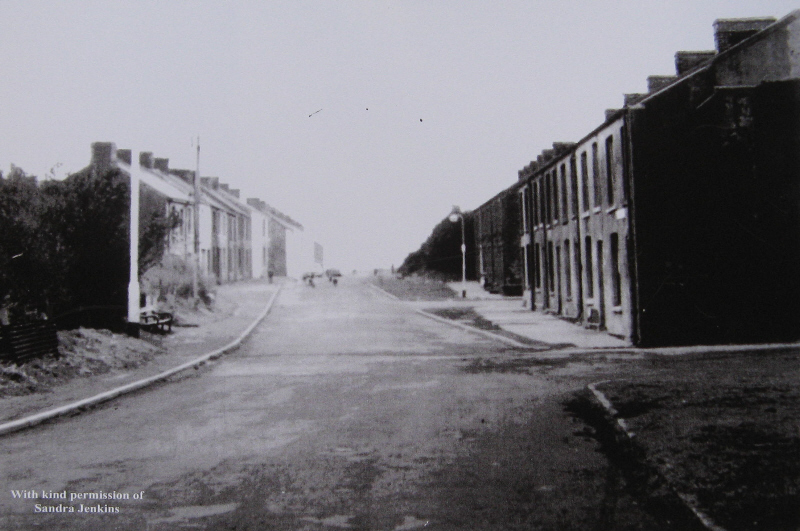
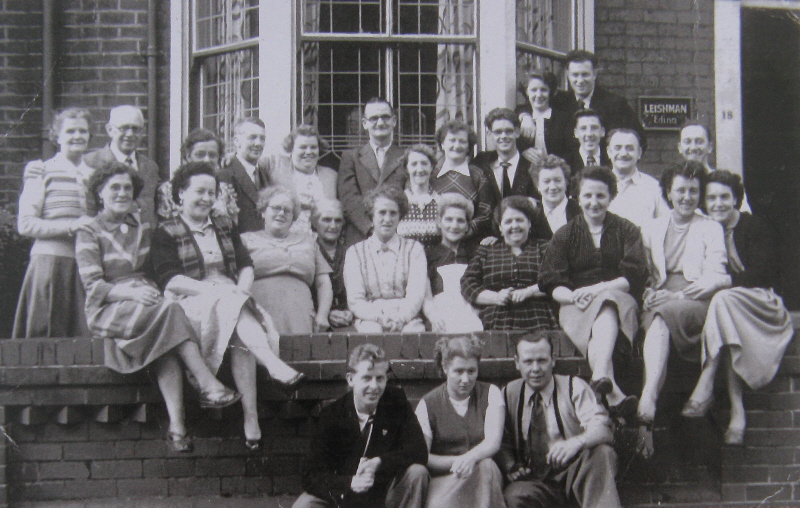
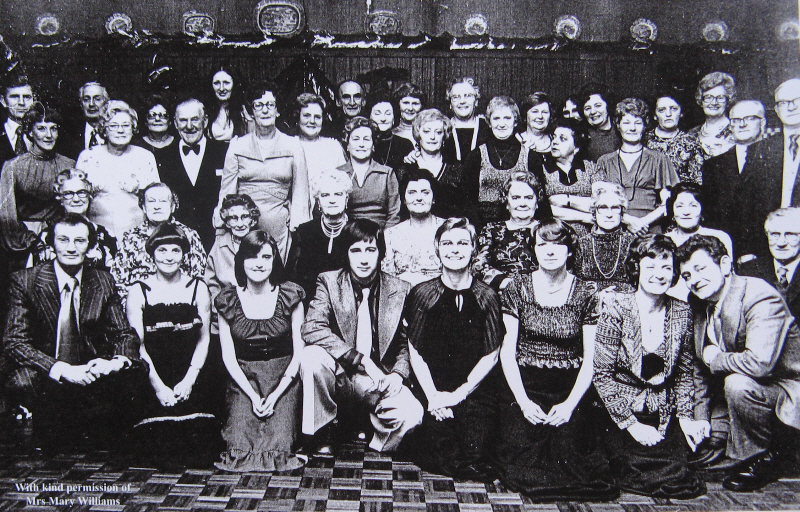
I am grateful to Nevil Williams and Sandra Jenkins for these photographs
A school opened in Machynys in March 1894. Until that date education had been provided in a hired room. You can read about the opening of the school in the Llanelli Mercury for 15 March 1894. Tea and cake were provided, and the headmistress, Miss Stuart, and her staff did all in their power to make the children happy. Nor were their efforts unsuccessful. The children were addressed by Mr C S Read, chairman of the board of management.
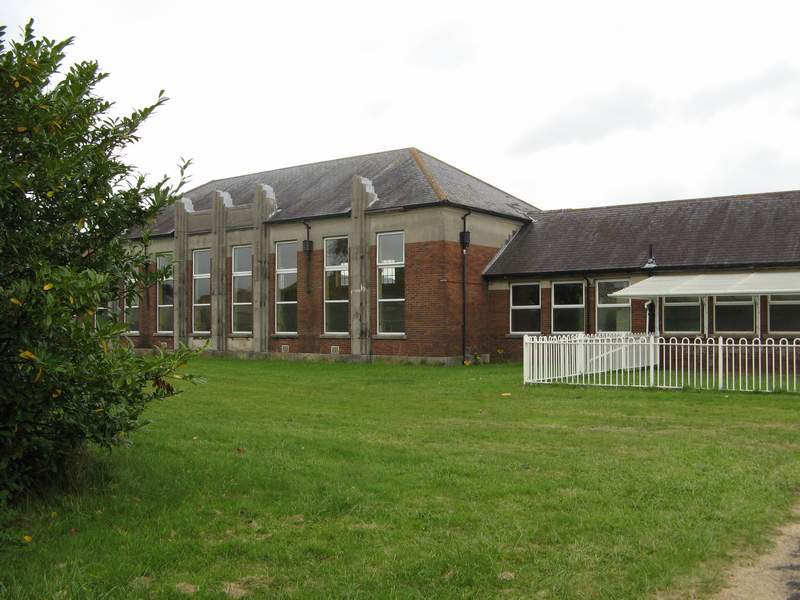
In 1916 Richard Thomas & Co., which by that time owned all four tinplate works in the Machynys peninsula, made an offer to buy the school. The offer was accepted surprisingly readily, and the school buildings were converted into offices for Richard Thomas. Subsequently most children went to New Dock School on the corner of New Street and Cornish Place. New Dock School suffered severe overcrowding, especially on the girls’ side, until in 1938 Morfa School opened in Olive Street. New Dock School then became an infants school, and pupils went on to Morfa School for their junior education.
More information on the history of New Dock and Morfa schools can be found in Benita Rees, New Dock and Morfa Schools Remembered, in A People’s History: Glanymor and Tyisha, Volume 4, published by Glanymor and Tyisha History Group, 2007.
Sports and leisure activities in Machynys and Bwlch-y-gwynt included football and pigeon racing. Bwlch-y-gwynt had its own team, Bwlch-y-gwynt AFC, who played on a pitch close to Sea View Terrace. The club still exists. Several residents of Maliphant Row kept pigeons in sheds behind their houses. The pigeons would be released in France or the Shetland islands, and return to cages in the Mermaid pub in Biddulph Street.
There was a pub in Machynys itself, the Globe Inn in Maliphant Row. Alcoholic refreshments could also be obtained at Y Tafarn, an off licence run from the front room of a house in Sea View Terrace, Bwlch-y-gwynt. A popular place at the end of a shift, workers would receive their beer in a jug, take their jugs across the road to a grassy bank, and return the empty jugs later.
There were several sweet shops in the two communities, but for most other items residents would either have to go shopping up New Dock Road or in the centre of Llanelli or else rely on visiting tradesmen. Leslie Pitt, the bread man, used a horse and cart to make his deliveries until World War II. Later he acquired a van. Others delivered meat, salt, newspapers, and ice cream. Batteries and radios could be bought from Jack-y-Batri.
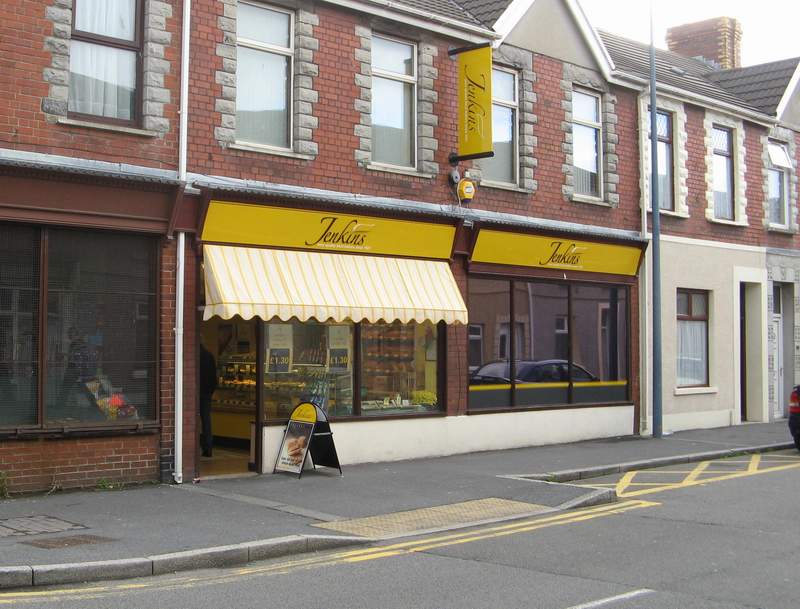
Shops in New Dock Road included the post office, chemists, several hairdressers, and two hat shops. Jenkins the baker’s shop is still there, and still proclaiming its establishment in 1921.
One trade for which there was little demand was the delivery of coal. Regular coal deliveries were made to Machynys Farm, but otherwise people were inclined to help themselves from various coal dumps, trucks, and other unofficial sources. Trucks left standing near Maliphant Row had a reputation for holding coal of a particularly high quality.
Most of this information about local traders has come from Nevil Williams, Making Money in Machynys, A People’s History: Glanymor and Tyisha, Volume 2, published by Glanymor and Tyisha History Group, 2005.
From the 1920s there was an active Christian evangelical movement in Machynys and Bwlch-y-gwynt, led by a local man, Eddie John. Eddie and Annie John moved into 20 Springfield Terrace in 1925, and soon afterwards converted their front room for use as a Sunday School. Attendance was sparse at first, but soon grew to 103.
A few years later Eddie John was given the lease on a small area of land, and with help and support from several sources opened the Burry Gospel Hall in January 1931. At first the Gospel Hall was seen as a branch of the Evangelistic Hall in the centre of Llanelli, but before long it was granted the status of an independent assembly. The Sunday School was transferred there, services were held every Sunday morning, and from time to time visiting preachers would come to the Gospel Hall to lead special missions.
Eddie John also became well known for his community work, which included visiting people who were ill or in distress, and helping to reconcile couples experiencing marital difficulties. He applied three rules to his visits to sick people: do not visit at meal times, do not stay longer than twenty minutes, and mind your own business. On one occasion Eddie’s help was sought by a man whose wife had lost her temper after he had squandered his wages in the pub. Eddie was able to calm the woman, and by the time he left the couple were kissing and hugging each other. On another occasion he intervened when a woman appeared intent on throwing herself into a pond, again succeeding in reuniting her with her husband.
Much more information on the life and work of Eddie John can be found in a book by Nevil Williams, Eddie John and the Lost Community, CMS Publishing, 2003.
During the 1930s there were profound changes in the tinplate industry that in due course led to the closure of all four tinplate works on the Machynys peninsula. In the USA a new technique for making tinplate had been introduced, using wide strip mills to produce the thin steel plates. This system of manufacture was more efficient, its output was of higher quality, and it called for the operation of machinery rather than heavy labour. However, it required heavy financial investment both to construct the large factories it needed and to install the machinery.
The first British strip mill was planned and developed by Richard Thomas & Co., the company that owned all the tinplate works at Machynys. It was built at Ebbw Vale and started production in 1938. By 1941 there was less demand for the output of the traditional tinplate works, and in that year the Burry Works and the tinplate section of the South Wales Works ceased production.
During World War II there was an increasing trend towards national co-ordination of steel and tinplate production, a process that eventually led to the nationalisation of the industry in February 1951. It was decided that a second strip mill was needed, and it was clear that surplus capacity among existing tinplate manufacturers would have to be removed. Machynys was one of the places considered for the second strip mill, but in the end a location in Port Talbot was chosen and the Abbey Works opened in 1951.
1951 also saw the opening of a huge new tinplate factory at Trostre, on the eastern side of Llanelli about a mile and a half from Machynys. Steel sheets came from the Abbey Works, and new technology at Trostre included cold reduction mills and an electrolytic tinning process.
Over the next few years the two remaining tinplate plants at Machynys closed, the Richard Thomas Mills in 1954 and then the Burry Extension in 1961.
Some staff were transferred to Trostre, but many were made redundant. Llewellyn John was one of those who were transferred. Having grown up in Bay View Terrace, Machynys, he began work at the age of 14 at the Richard Thomas Mills, but within two years had moved to the Burry Extension. After being transferred to Trostre in 1960 he found working conditions there “better than Butlin’s”, but he missed the camaraderie that existed in the old hand mills.
More of Llewellyn John’s reminiscences can be found in a chapter in Tinopolis by Harry Davies, Chats with Llew and Johnny.
During the 1960s and early 1970s the steel and tinplate works of Machynys, and all the housing, were demolished. In February 1966 the Llanelli Borough Council bought 89 acres of land on the peninsula from Richard Thomas & Baldwin, land that included 90 houses. According to Eira McKibbin there was a “knock on the door” of each house, and the rent officer from RTB informed the occupants that they would no longer have to pay rent as the houses were about to be sold to the council.
I would like to know more about the intentions of the Llanelli Borough Council in 1966, but it appears that they expected that almost all the buildings on the peninsula would be removed and the area re-developed. Only the Machynys Foundry, opened as recently as 1952 and due to survive until 1985, would remain in existence. I have not seen any evidence that the LBC considered the option of retaining and upgrading the houses in Machynys and Bwlch-y-gwynt, and it is certainly the case that people who lived there recall that they were given no choice but to move away.
The process of departure occurred gradually in the six years between 1966 and 1972. Some people may have found alternative housing in the private sector, but most were re-housed by the council. As people moved out they were not replaced, with the result that those who stayed until the end found themselves living next to empty and decaying houses. Those who were allocated council housing moved to several different areas in Llanelli, though in a number of cases three or four families were moved together to the same street.
For over twenty years most of Machynys lay derelict. From time to time itinerant people would take up temporary residence. Councillors would brand them gypsies of the aggressive type, liable to want to fight in the streets and kick shop windows in.
For some classic examples of prejudice see the Llanelli Star, 31 July, 1982, p8.
The council seems to have been waiting for private developers to put acceptable regeneration proposals to them. In 1989 they thought they were close to approving a plan that would have created 2000 houses, together with “marinas and canals”, but that scheme failed to get off the drawing board.
See the Llanelli Star, 2 February, 1989.
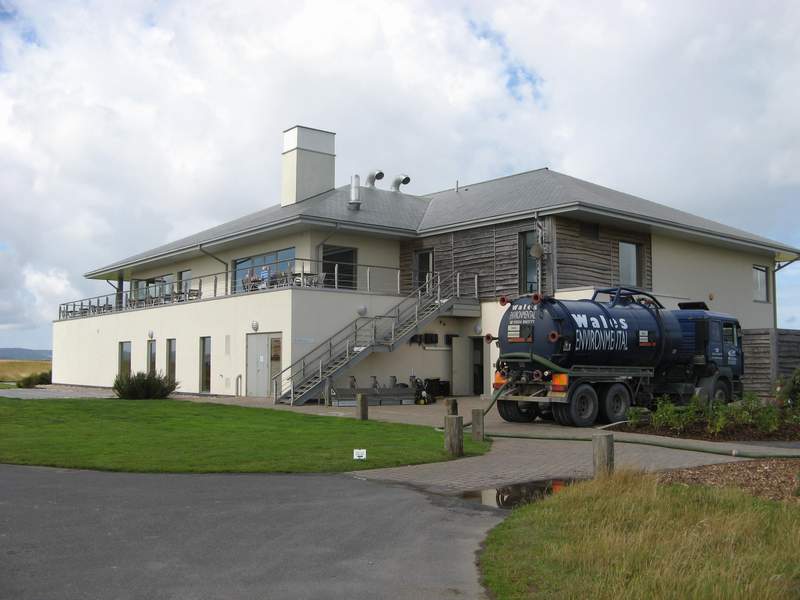
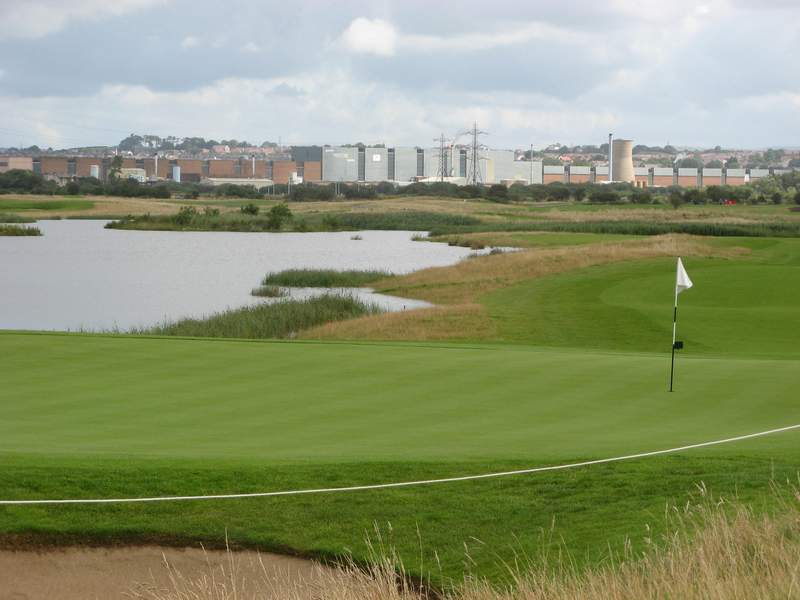
In the end two projects have been implemented that together cover much of the land of the peninsula. One is the Machynys Peninsula Golf and Country Club. Gary Nicklaus contributed to the design of the golf course, which has the advantage of several ponds that were once clay pits or the reservoirs of tinplate works. When I was there in August 2008 they were getting ready for the 2008 Wales Ladies Championship of Europe.
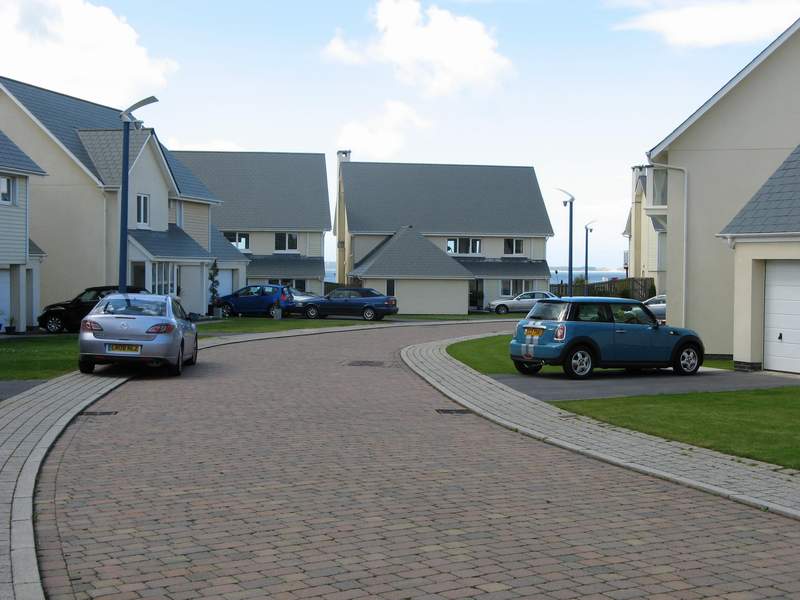
The other project, on the western side of the peninsula close to the sea, is a housing development known as the Pentre Nicklaus village. In August 2008 about two thirds of the village had been completed. The houses are attractive, and have pleasing views. On a joint visit with my wife in July 2007 I had to stop her getting out her cheque book there and then to put down a deposit.
The Golf and Country Club has a website at www.machynys.com.
The memory of Machynys and Bwlch-
Many people who lived in Machynys and Bwlch-
Sandra and Mavis have produced a DVD with a lot of reminiscences by people who used to live in the two lost communities. If you would like a copy of the DVD give Sandra Jenkins a ring on 01554 751855.